
When we speak of Africa’s economic future, we often think of big cities like Lagos, Nairobi, and Accra. But outside of these established economic centers are smaller cities with dynamic businesses, entrepreneurial talent, and huge untapped potential.
Secondary cities support local economies, livelihoods, and connect communities to markets. Yet they usually lack the investment, infrastructure, and policy support necessary for thriving. Our findings revealed that Africa’s secondary cities do not lack economic potential. What they need are investments and enabling systems that allow that potential to translate into sustainable growth.
To better understand these opportunities and challenges, BudgIT Foundation’s New Economy and Intelligence Unit surveyed 1,000 business owners across five Nigerian cities: Aba, Gboko, Ogbomoso, Warri, and Zaria. The research explored how local economies function, what drives business activity, and the barriers preventing businesses from growing.
What the Evidence Tells Us
We found entrepreneurs across the cities we surveyed building businesses, creating livelihoods, and serving their communities, despite significant constraints. However, much of this economic activity is still local. Many businesses have a small geographical footprint and limited access to larger markets or growth opportunities.
Another example is agricultural production. In many of these communities, farm produce is abundant, but poor processing and storage facilities limit the chances for value addition, job creation, and improved earnings.
Reliable electricity remains a challenge, and many companies rely on alternative power sources rather than the national grid. Funding is also hard. Our research found that business owners face high rejection rates when applying for microfinance, leaving many entrepreneurs without the capital they need to grow.
Perhaps one of the most surprising observations was the experience of women who processed cassava. Some women dry cassava granules by hand in their bedrooms, without access to commercial drying facilities. This is more than an infrastructure shortfall. It shows the effect of underinvestment on productivity, working conditions, and the ability of small businesses to grow.
We also observed a disconnect between educational attainment and economic opportunity. Qualifications may confer social recognition, but they do not necessarily translate into better-paying jobs or sustainable livelihoods. Taken together, these findings reveal economies with considerable potential, constrained by limited financing, inadequate infrastructure, weak market connections, and insufficient investment in local enterprise.
Grit Is Not a Growth Strategy
Our research established that Entrepreneurs in secondary cities are resourceful and resilient. They find ways to keep their businesses going in the face of unreliable electricity, limited access to credit, and infrastructure that often fails to meet their needs. However, resilience is not enough to drive economic transactions.
We can’t keep celebrating the ingenuity of African entrepreneurs while we continue to work against the systems that make it increasingly difficult to do business. A woman processing agricultural produce in her bedroom should not be forced to depend forever on personal sacrifice to keep her venture going. No promising small business should be confined to its own neighborhood, out of reach of affordable financing or access to larger markets. This isn’t only a chance to help these businesses survive but also to create the conditions for them to thrive. This calls for a different approach to development finance, one that recognizes the economic potential of secondary cities and supports locally driven solutions to persistent structural challenges.
Introducing the AIR Fund
BudgIT is establishing the Africa Innovation and Resilience (AIR) Fund, an initiative designed to help unlock economic opportunities in underserved African communities. Our goal is to move beyond identifying development challenges to supporting practical interventions that address them. The research points to several areas where targeted support could make a meaningful difference, such as access to finance, agricultural processing, reliable energy, market connectivity, and locally appropriate business infrastructure.
The AIR Fund seeks to support solutions that strengthen local economies, create sustainable livelihoods, and expand economic opportunities by connecting credible evidence with catalytic funding and strategic partnerships. The goal is not to impose externally designed solutions on communities. It is to identify existing opportunities, understand the barriers preventing growth, and support interventions that respond to local realities.
Conversations at the UNGA
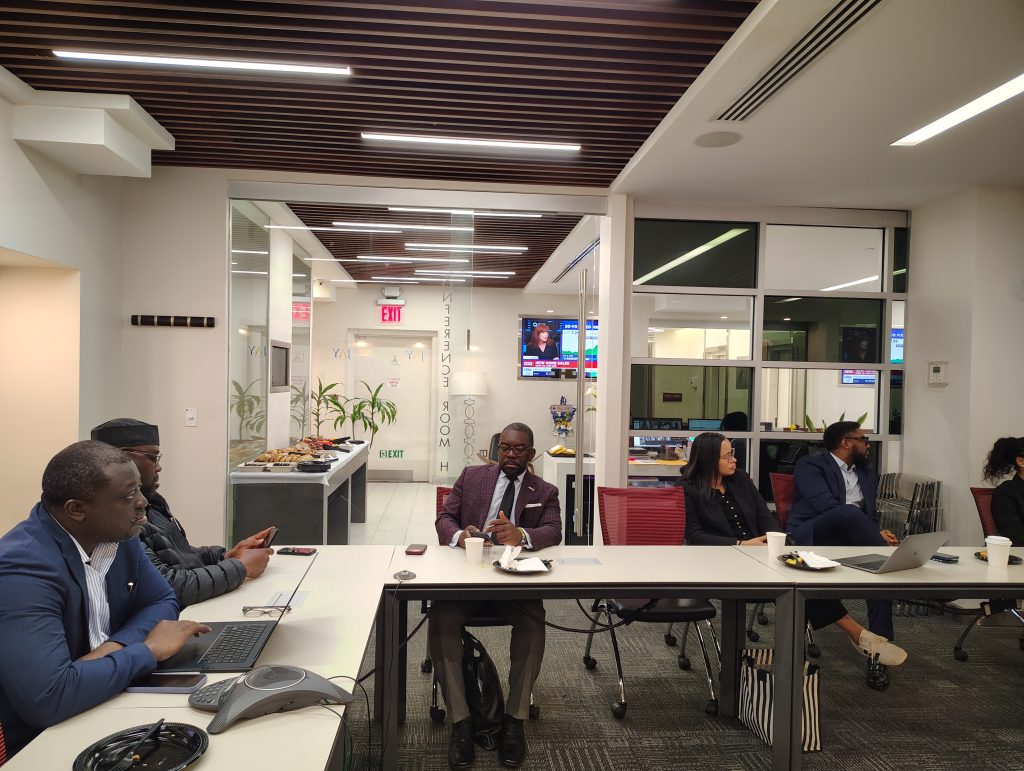
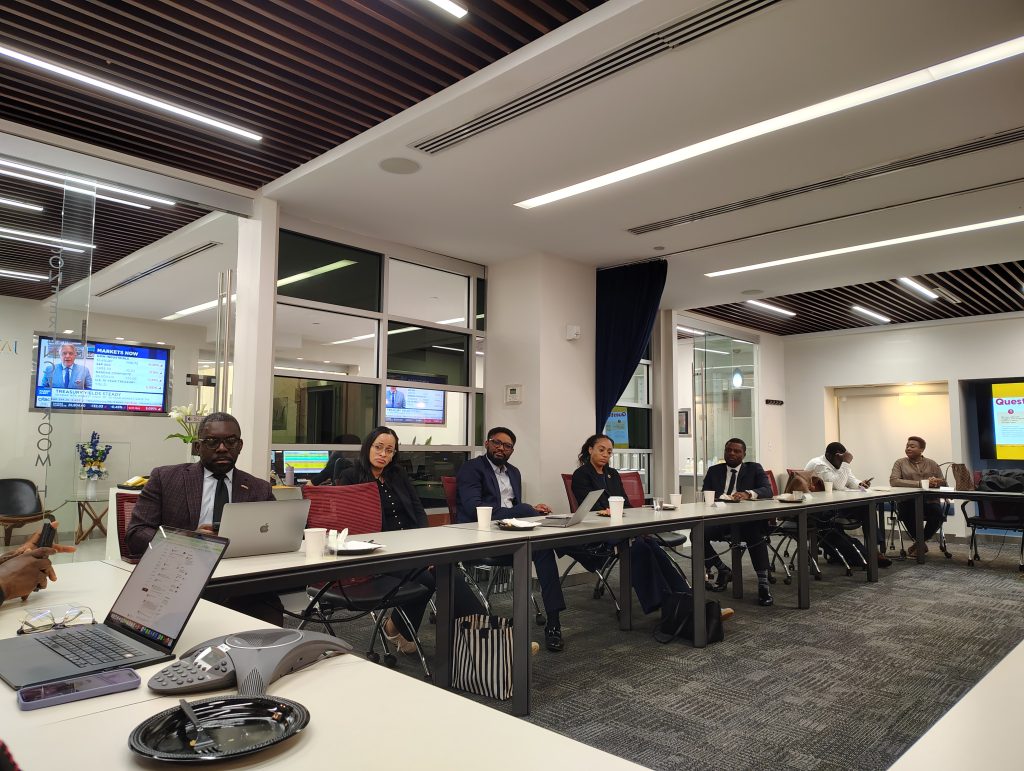
During the United Nations General Assembly week in New York, BudgIT convened a roundtable to share findings from the research and engage development practitioners, philanthropic organizations, and other stakeholders on the opportunities emerging from Africa’s secondary cities. The conversation brought together participants from organizations including the Shell Foundation and the Dean Initiative, as well as clinicians, researchers, and other professionals interested in advancing locally driven development.
Three important insights emerged from the discussion.
First, we must match human potential with financial opportunity. Secondary cities are home to entrepreneurs, skilled workers, and emerging businesses. However, access to appropriate financing remains a major obstacle. Unlocking their potential requires financial solutions that reflect the realities of local enterprises, alongside investments in the infrastructure and systems they need to succeed.
Second, philanthropy can play a catalytic role in local economic development. Strategically deployed grants can help test innovative approaches, address early-stage risks, and attract additional investment into underserved markets. Beyond immediate project outcomes, such support can contribute to job creation, stronger local value chains, and more resilient economies.
Third, investment decisions must be guided by credible evidence. There is a significant need for more localized research that identifies economic opportunities, documents market constraints, and helps funders understand where their resources can make the most significant difference.Without this evidence, promising communities may continue to be overlooked simply because their opportunities are not sufficiently visible to investors and development partners. These conversations reinforced an important lesson: unlocking the potential of secondary cities will require more than funding alone. It will require partnerships, local knowledge, and a deliberate commitment to turning evidence into action.
What Next?
Building on the research and conversations at UNGA, the AIR Fund is preparing to launch its first call for interventions aimed at supporting scalable solutions to challenges facing underserved communities. We see this as an opportunity to bring together local innovators, philanthropic partners, development institutions, and investors who recognize the value of looking beyond Africa’s traditional economic centers.
Africa’s economic future cannot be built around its largest cities alone. Across the continent, secondary cities are already contributing to local economies, sustaining livelihoods, and demonstrating considerable entrepreneurial potential. With the right investments and enabling conditions, they can contribute even more. The question is no longer whether these cities have opportunities worth investing in. It is whether we are prepared to recognize and support them.
Africa’s next wave of inclusive economic growth may well come from the cities we have overlooked for too long.Learn more about the AIR Fund and upcoming opportunities: https://airfund.africa/the-fund